
Let's consider a case study of how we helped manufacturing company to streamline its production processes through RPA. We supported to create RPA Bots to automate inventory management, order processing, and production scheduling tasks

One of the most common use cases of RPA is automating data entry tasks. Bots can extract data from different sources, validate it, and enter it into the system without any human intervention.
This not only reduces the risk of errors but also saves time and resources.

RPA can be used to automate customer service processes such as answering queries, processing orders, and handling complaints
By implementing RPA in customer service operations, companies can improve response times and enhance customer satisfaction.
RPA can streamline HR processes such as employee onboarding, payroll processing, and recruitment
By automating repetitive tasks, HR departments can focus on more strategic initiatives like talent management and employee engagement

RPA can automate various supply chain processes such as inventory management, order processing, and logistics.
By eliminating manual intervention, companies can reduce lead times, minimize errors, and optimize their supply chain operations.

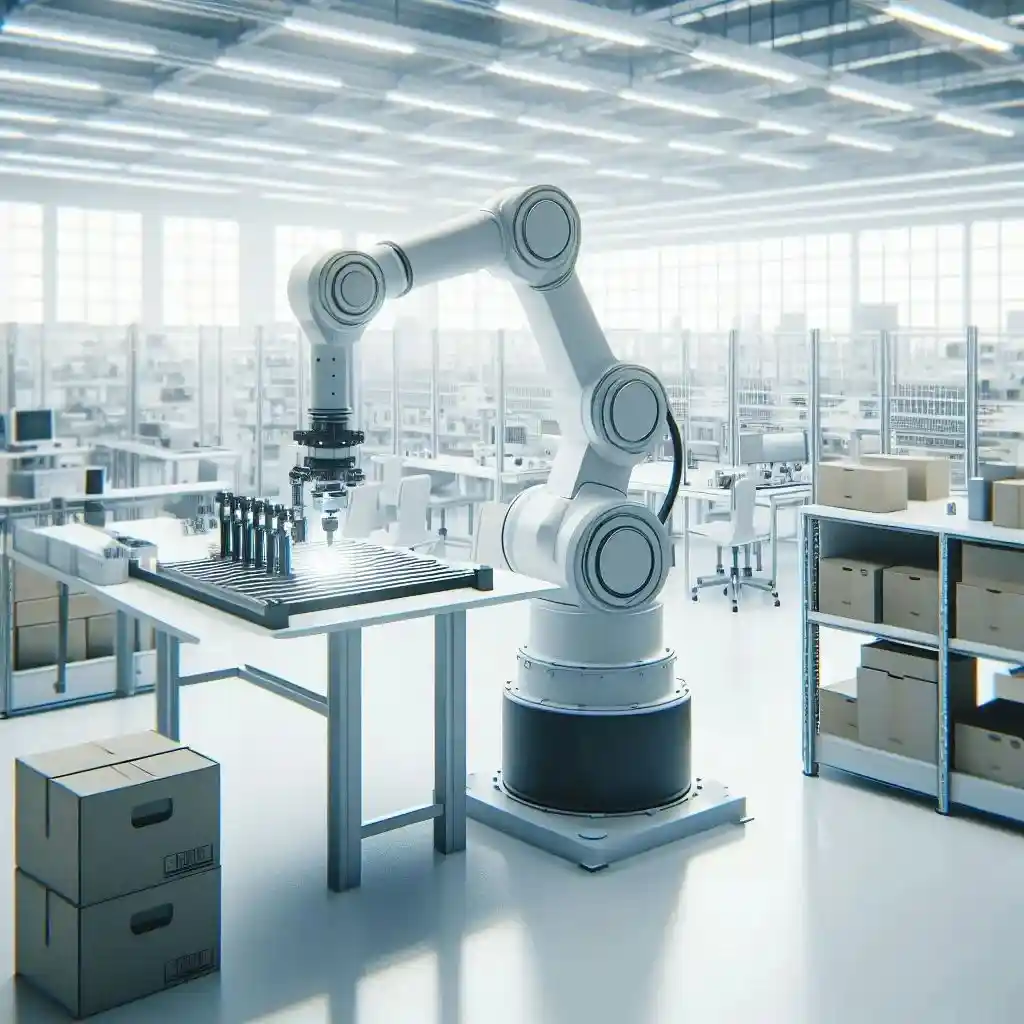
Robotic Process Automation (RPA) is increasingly being adopted in the manufacturing sector, where it streamlines operations and enhances efficiency through the automation of repetitive tasks. From inventory management to quality control and supply chain optimization, RPA enables manufacturers to achieve greater agility, cost savings, and productivity in a highly competitive landscape.
Robotic Process Automation (RPA) is transforming Customer Relationship Management (CRM) by automating repetitive processes such as data entry, lead management, and customer inquiries. This empowers organizations to deliver faster, more accurate responses, while enhancing customer engagement and satisfaction.
Automates CRM tasks like lead management & follow-ups.
Keeps customer data precise and up-to-date.
Frees agents to focus on personalized support.
Cuts inefficiencies and reduces manual effort.

Robotic Process Automation (RPA) enhances finance operations by automating repetitive tasks such as invoice processing, reconciliation, and reporting. This enables finance teams to focus on strategic initiatives while reducing human error and ensuring compliance.
Automates invoice processing & reconciliation tasks.
Reduces errors in reporting & compliance processes.
Cuts manual effort & reallocates resources effectively.
Generates audit trails for stronger governance.

RPA in healthcare automates patient scheduling, billing, claims processing, and compliance reporting, allowing healthcare staff to dedicate more time to patient care while reducing costs and errors.
Streamlines scheduling, billing, and admin tasks.
Reduces human error in patient records & claims.
Cuts labor costs & enables resource optimization.
Ensures adherence to healthcare regulations.

RPA optimizes travel and hospitality operations by automating booking confirmations, invoicing, and customer inquiries, enhancing service delivery, reducing costs, and improving compliance.
Automates booking, invoicing & inquiries.
Delivers personalized service & 24/7 support.
Reduces operational costs & improves margins.
Ensures accurate reporting & regulatory adherence.

Σ
By automating repetitive tasks, RPA can significantly reduce operational costs by saving time and resources.
Σ
Bots can perform tasks with a high level of accuracy, resulting in fewer errors and improved data quality.
Σ
By freeing up employees from mundane tasks, RPA allows them to focus on more value-added activities, leading to increased productivity.
Σ
RPA can perform tasks much faster than humans, resulting in quicker turnaround times and improved efficiency.
 D&B Registered Company